
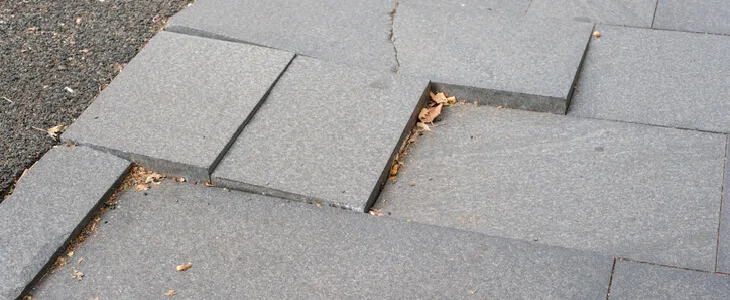
Unsafe property conditions can lead to serious injuries in apartment buildings, retail stores, parking areas, and other public-facing spaces. A premises liability claim allows an injured person to pursue compensation when a property owner fails to maintain reasonably safe conditions. In New York, these cases often depend on whether the owner knew or should have known about the hazard and failed to address it. Michael LoGiudice, LLP, represents individuals in Westchester County in premises liability claims involving disputed responsibility and significant injuries.
A Focused Approach to Premises Liability Claims
Premises liability cases often turn on details that are not immediately clear, including how long a condition existed and who was responsible for addressing it.
Our approach is built on careful case development:
- We maintain a limited caseload to provide consistent, direct attention
- You work directly with an attorney throughout your case
- We focus on identifying how the condition developed and whether it should have been addressed
- We document both immediate injuries and long-term impact
- We prepare each case for negotiation or litigation, depending on how it develops
Above all, we evaluate claims thoroughly, build a case supported by evidence, and fight for the maximum compensation. Contact us today for a free consultation. Se habla español.
What Is Premises Liability Under New York Law?
Premises liability refers to a property owner’s legal responsibility to maintain reasonably safe conditions for people who are lawfully on the property.
This duty can apply to:
- Residential property owners and landlords
- Retail stores and commercial businesses
- Property management companies
- Owners of public-facing spaces
Liability arises when a dangerous condition exists and leads to injury. Not every accident results in a valid claim. The key issue is whether the condition could and should have been addressed before the injury occurred.
What Must Be Proven in a Premises Liability Case?
To recover compensation, a claim must establish that negligence contributed to the injury.
This generally requires showing:
- A dangerous condition existed on the property
- The owner or responsible party created the condition, or
- Had actual notice (knew about it), or
- Had constructive notice (should have discovered it through reasonable inspection)
- The condition caused the injury
Constructive notice is often a central issue. It focuses on whether the condition existed long enough that a reasonable inspection would have identified and corrected it.
What Types of Property Conditions Lead to Liability?
Premises liability claims can arise from a range of unsafe conditions.
Common examples include:
- Wet or slippery floors in stores or common areas
- Snow and ice that has not been properly treated
- Uneven flooring, loose tiles, or damaged walkways
- Broken or poorly maintained stairs and handrails
- Inadequate lighting in hallways or stairwells
- Falling merchandise or improperly secured objects
Each situation depends on the specific facts, including how the condition developed and how long it existed.
Where Do Premises Liability Accidents Occur in Westchester County?
Premises liability incidents in Westchester County often occur in areas with high foot traffic and shared maintenance responsibility.
These include:
- Apartment buildings and multi-unit housing
- Retail stores, grocery stores, and shopping centers
- Parking lots and garages
- Office buildings and commercial properties
- Sidewalks and exterior walkways
In many cases, responsibility may be shared between property owners, tenants, and management companies. Identifying who was responsible for maintaining the area is an important part of evaluating a claim.
What Evidence Is Important in a Premises Liability Claim?
Evidence plays a central role in determining how a premises liability case develops.
Key evidence may include:
- Incident reports prepared at the time of the accident
- Surveillance footage showing the condition and surrounding activity
- Photographs of the hazard and the scene
- Maintenance and inspection records
- Witness statements
Some of this evidence may only be available for a limited time. For example, surveillance footage may be overwritten if not preserved early. A timely review can help identify and secure relevant information.
How Is Fault Determined if Multiple Parties Are Involved?
Premises liability cases often involve more than one potentially responsible party.
Liability may extend to:
- Property owners
- Tenants or business operators
- Property management companies
- Contractors responsible for maintenance or repairs
New York applies a comparative fault rule, meaning responsibility can be divided among multiple parties. If more than one party contributed to the condition, each may be responsible for a portion of the damages.
In some cases, the injured person’s actions may also be considered. Any recovery may be reduced based on that share of responsibility, but it is not automatically barred.
Damages We Will Fight For
While no two claims are the same, you may be entitled to significant compensation, including economic and non-economic damages such as
- Medical expenses and ongoing treatment
- Lost wages and reduced earning capacity
- Pain and suffering
- Long-term physical limitations
The value of a claim depends on how the injury affects your ability to work and function over time, not just the initial incident.
Talk to a Westchester County Premises Liability Lawyer
Premises liability claims often depend on early evidence and a clear understanding of how a condition developed. Liability may not be immediately obvious, especially when multiple parties are involved.
If you were injured due to unsafe property conditions, Michael LoGiudice, LLP can review your case, explain your legal options, and guide you through the next steps. There are no legal fees until we recover for you. Connect with us today to get started with an experienced premises liability lawyer.
Frequently Asked Questions
How long do I have to file a premises liability claim in New York?
In most cases, you have three years from the date of the injury to file a lawsuit. Shorter deadlines may apply in cases involving government entities.
What if the property owner says they didn’t know about the hazard?
A claim may still proceed if the condition existed long enough that the owner should have discovered it through reasonable inspection. This is known as constructive notice.
Can I recover compensation if I was partially at fault?
Yes. New York follows a comparative fault system, which allows recovery even if you share some responsibility, though the amount may be reduced.
What should I do after a slip and fall accident?
Seek medical attention, document the condition if possible, and report the incident. Preserving evidence early can affect how a claim develops.